The rise of Chaka Kahn
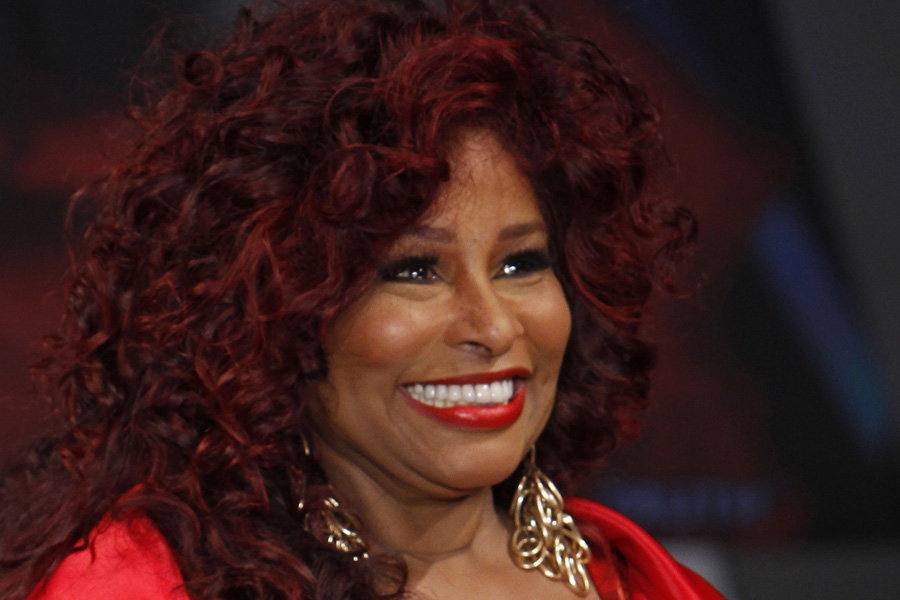
I imagine Chaka Kahn’s voice as thunder through silk. Yvette Marie Stevens, born in Chicago, Illinois, on March 23, 1953, became one of America’s most powerful singers. She was known worldwide as the Queen of Funk and performed funk, soul, R&B, pop, jazz, and gospel.
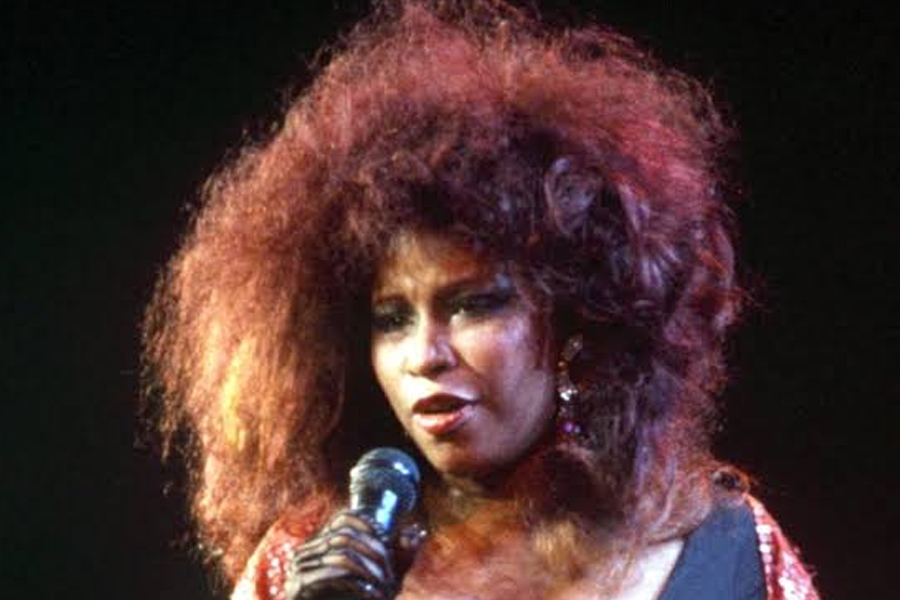
Rufus, her 1970s band, launched her tremendous talent. Early on, her singing was force rather than performance. She went beyond lyrics. She bent, lifted, and burned them. Rufus’ tunes like “Tell Me Something Good,” a breakthrough, helped define a decade.
Chaka Kahn became a solo star in the late 1970s and 1980s. Not every lead vocalist from a popular band can carry the same enchantment alone, making that transition one of the most astounding in modern music. She did. Made it appear natural. “I’m Every Woman,” “Through the Fire,” “Ain’t Nobody,” and “I Feel for You” were among her solo hits. Each song showcased her talent. Some were happy and belligerent. Others were delicate and heartfelt.
A Chicago beginning shaped by family
I must start with family to understand Chaka Kahn. Her childhood on Chicago’s South Side was full with culture, rhythm, and expressiveness. She was raised in the city’s style and identity furnace. Music was real. The air surrounding her contained it.
Sandra Coleman, Chaka Kahn’s mother, encouraged her early growth. Support like that means more than people realize. Rare gifts can become great performers, but they need room to flourish. Family members who spot the spark early might make all the difference. An exceptional little girl, Chaka Kahn, became an icon with such encouragement.
As a non-entertainer, her father, Charles Stevens, presents an interesting contrast to her story. Many music legends were not raised by industry insiders. Sometimes unassuming roots make the blossom stand out. Even though she was known by a different name, her birth name Yvette Stevens connects her to those early familial roots.
Sisters, brothers, and a private family circle
Chaka Kahn has multiple siblings with distinct prominent roles. Taka Boom, her sister, is most famous. Taka Boom, a singer, became famous in disco and dance music. This detail intrigues me because it implies that talent went through the family like a brilliant electric wire. Two sisters’ unique musical styles give the family story a particular rhythm.
Other siblings include Tammy McCrary, Kathleen Burrell, and Mark Stevens. They have less public presence than Chaka Kahn. Celebrity families often balance fame and seclusion. One member gets famous while others live quietly. Still, their family role important. They are the circle behind the spotlight, those who lived before celebrity and survived it.
Relationships, marriage, and the personal side of fame
The personal life of Chaka Kahn, like many celebrities, has always been intriguing. Her partners include Richard Holland, Hassan Khan, and Doug Rasheed. Some of these ties are more prominent than others, but they reveal a life that included romance, family, and artistic cooperation, like many long public careers.
Doug Rasheed is significant as a music producer and a personal figure in her tale. Professional and personal lives sometimes cross in the entertainment business, which may be creative or problematic. Long-term artists have close connections outside of a locked environment. They occur with touring, studio sessions, public attention, and legacy demands.
Chaka Kahn as a mother and grandmother
Family goes beyond siblings and partners. Chaka Kahn’s motherhood contributes to her public persona. Her daughter, Milini Khan, continues the family’s creative history in music and performance. There’s strength in continuity. Talent, memory, and identity are passed on like a song.
Her son, Damien Holland, is also part of that lineage. While some aspects of his life remain more private, his place in the family story reflects the deeper reality behind celebrity. Icons are not only public figures. They are parents, relatives, and elders inside real family systems.
The following generation includes grandkids Raeven Khan and Daija Jade Holland. Their names show how a legacy grows. Careers fill arenas, but family fills unsung niches. Chaka Kahn’s biography goes beyond records and prizes. It is also about inheritance, identity, and the subtle ways a renowned life endures in a family tree.
Career milestones and lasting achievements
Across more than five decades, Chaka Kahn has built a catalog and reputation that few artists can rival. Her career can be viewed through several major stages, each with its own defining energy.
| Period | Milestone | Significance |
|---|---|---|
| 1953 to 1969 | Early life in Chicago | Musical foundation and early singing |
| 1970 to 1979 | Rufus era | Breakthrough fame and first Grammy success |
| 1980 to 1989 | Solo superstardom | Major crossover hits and broad commercial reach |
| 1990 to 1999 | Continued influence | Collaborations and sustained relevance |
| 2000 to 2010 | Legacy expansion | New releases, honors, and international touring |
| 2010 to present | Selective performances | Recognition as a foundational music legend |
She has 10 Grammys from her solo and Rufus years. She and Rufus were inducted into the Rock and Roll Hall of Fame, and she has a Hollywood Walk of Fame star. Those differences aren’t decorative. They demonstrate her impact on American music.
Various estimates put her net worth between $5 million and $10 million. That range represents a long-term career including song royalties, touring, licensing, and guest performances. Classic songs that remain popular decades later continue to profit for a performer.
Why her voice still matters
Chaka Kahn’s influence beyond her fame. Her style is evident in many following vocalists. Power, flexibility, and uninhibited improvisation define her style. She developed the current powerhouse vocal heritage that following pop and R&B musicians adopted.
Her influence is often compared to Whitney Houston, Mary J. Blige, and Beyoncé. They share inheritance, not imitation. Chaka Kahn combined technical authority and emotional flexibility in one voice. She gracefully portrayed strength. She praised vulnerability.
Performing in concerts, festivals, tributes, and documentaries has kept her culturally engaged. Fans, tribute videos, and resurrected performances of “I’m Every Woman” continue to spread her music on social media. Even younger listeners who didn’t grow up with her chart runs still hear her music through samples, covers, and viral moments.
The deeper human story behind the legend
Chaka Kahn’s tale is intriguing because it contains hardship and victory. She has discussed her past drug usage and health difficulties. Her honesty enriches her public image. It reminds me that famous voices arise from pressure, hardship, endurance, and reinvention.
She is often described as a musician’s musician, and that phrase fits. It suggests not just fame, but respect. Her peers value her because she brought real artistry into every phase of her career. She was not merely marketable. She was masterful.
FAQ
Who is Chaka Kahn?
Chaka Kahn is an American singer, songwriter, and musician born Yvette Marie Stevens on March 23, 1953, in Chicago, Illinois. She became famous in the 1970s as the lead vocalist of Rufus and later built a major solo career in funk, soul, R&B, pop, jazz, and gospel.
What is Chaka Kahn best known for?
She is best known for her powerful voice, dynamic stage presence, and songs such as “I’m Every Woman,” “Ain’t Nobody,” “Through the Fire,” and “I Feel for You.” She is also widely recognized as the Queen of Funk.
Who are Chaka Kahn’s parents?
Her parents are Sandra Coleman and Charles Stevens. Sandra Coleman is associated with supporting her early musical growth, while Charles Stevens is connected to her birth family identity through the Stevens surname.
Does Chaka Kahn have siblings?
Yes, she has several siblings. These include Taka Boom, Mark Stevens, Tammy McCrary, and Kathleen Burrell. Taka Boom is especially known for her own work as a singer.
Who is Taka Boom?
Taka Boom is Chaka Kahn’s sister and a recording artist known for disco and dance music. Her career shows that musical talent ran strongly within the family.
Who are Chaka Kahn’s children?
Her children include Milini Khan and Damien Holland. Milini Khan has been associated with entertainment and performance, while Damien Holland is part of the family’s more private personal history.
Does Chaka Kahn have grandchildren?
Yes, names associated with her grandchildren include Raeven Khan and Daija Jade Holland. They represent the newer generation of the family legacy.
How many Grammy Awards has Chaka Kahn won?
Chaka Kahn has won 10 Grammy Awards across her career, including honors connected to both her solo work and her years with Rufus.
What is Chaka Kahn’s estimated net worth?
Her estimated net worth is often placed between $5 million and $10 million. That wealth is generally linked to royalties, touring, licensing, and performance work.
Why is Chaka Kahn influential in music history?
She is influential because she helped define the sound of modern funk and R&B vocals. Her singing style, phrasing, improvisation, and emotional force shaped the path for many later artists and kept her music relevant across generations.